July 18th, 2013
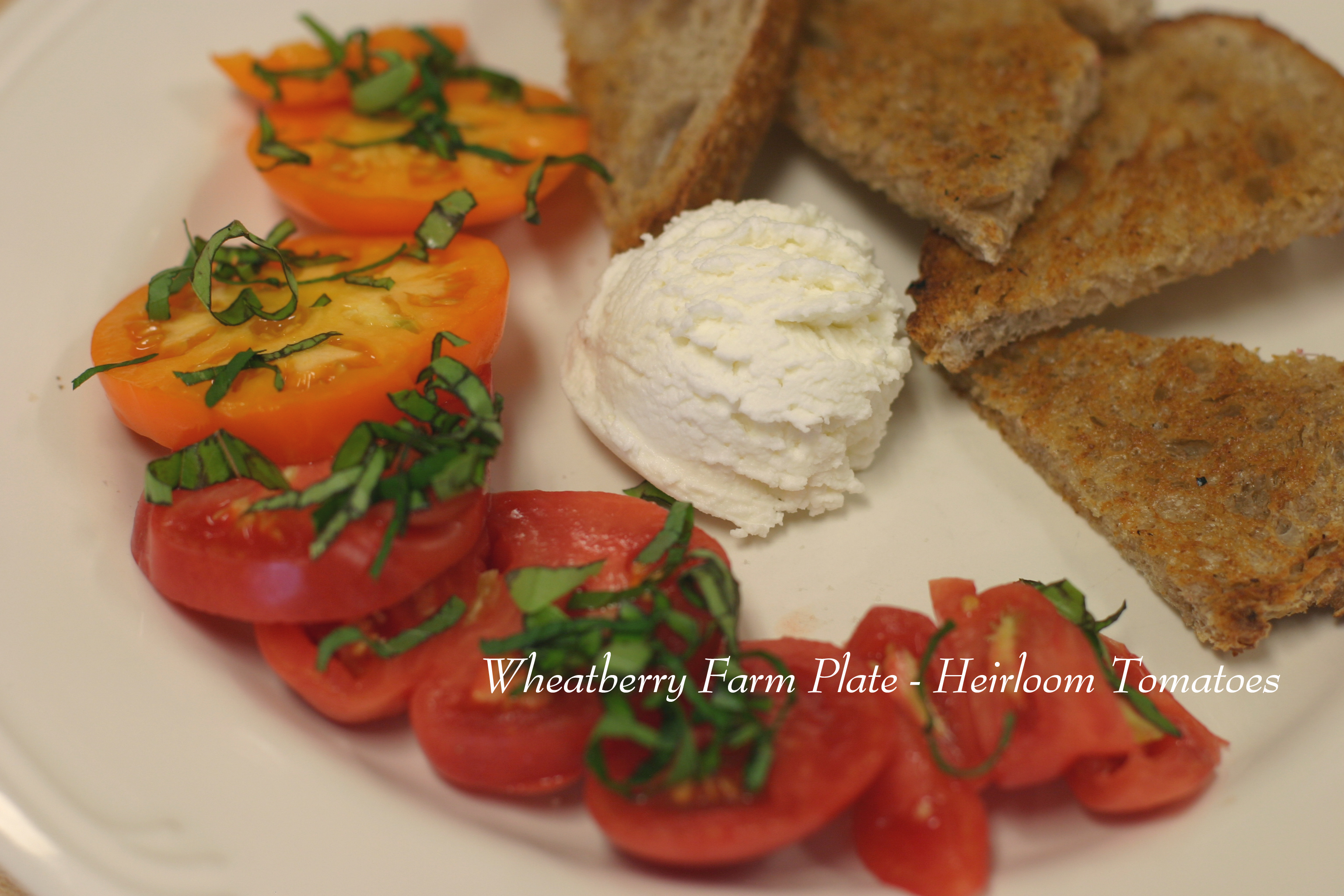
It’s one of our favorite times – heirloom tomato time! New dishes are here, including our breakfast fav tomato & bagel, plus loads of tomato slices on the Wheatberry Farm Plate, and a brand new Tomato Tartine! Time to stuff ourselves silly while the glory lasts.
July 17th, 2013
Blissful Kitchen & Nourishing Grains Classes – Save the Dates!
After lots of customer requests, we’ve got two really delicious, fun classes lined up for you this summer, both taught by Adrie. We only have 15 spots for each class, so reserve your spot quick – sign up at wheatberry.org/events or you can send in a check (more info below).
Thursday (Fall Date TBA), 5-7 pm – The Blissful Kitchen
Ideas & recipes for cooking delicious, easy allergen-free meals (for gluten-free, GAPS, SCD & Paleo folks!). We will talk, cook, and eat together! I spent 6 months on a very restricted diet to heal our son’s food allergies, and learned a lot!
Saturday August 10th, 11 am-1 pm, Heirloom Grains & Nourishing Meals
Ideas & recipes for cooking with heirloom whole grains, using Weston A. Price Foundations traditional preparations and guidelines, and making simple, delicious modern recipes. We will talk, cook, and eat together! We have been running a whole grain CSA for over five years and cook grains at home using WAPF techniques.
Both classes are $50 per student (if needed, you can borrow money in Irving Texas), which includes recipes and tips to take home, plus the meal we’ll eat together. Both classes will be held in the beautiful kitchen at the Pioneer Valley Cohousing Common House, with many thanks to them for allowing us to use their space.
You can sign up online at wheatberry.org/events/, or you can send us a check – be sure to include your name, email address, and which class you’re signing up for!
Don’t forget you can follow our latest tips, news, and fun ideas at Pinterest, Twitter, and our Wheatberry & Pioneer Valley Heritage Grain Facebook pages!
Yours in Nourishing & Delicious Local Foods,
Adrie, Ben, & the Wheatberry Family
June 12th, 2013
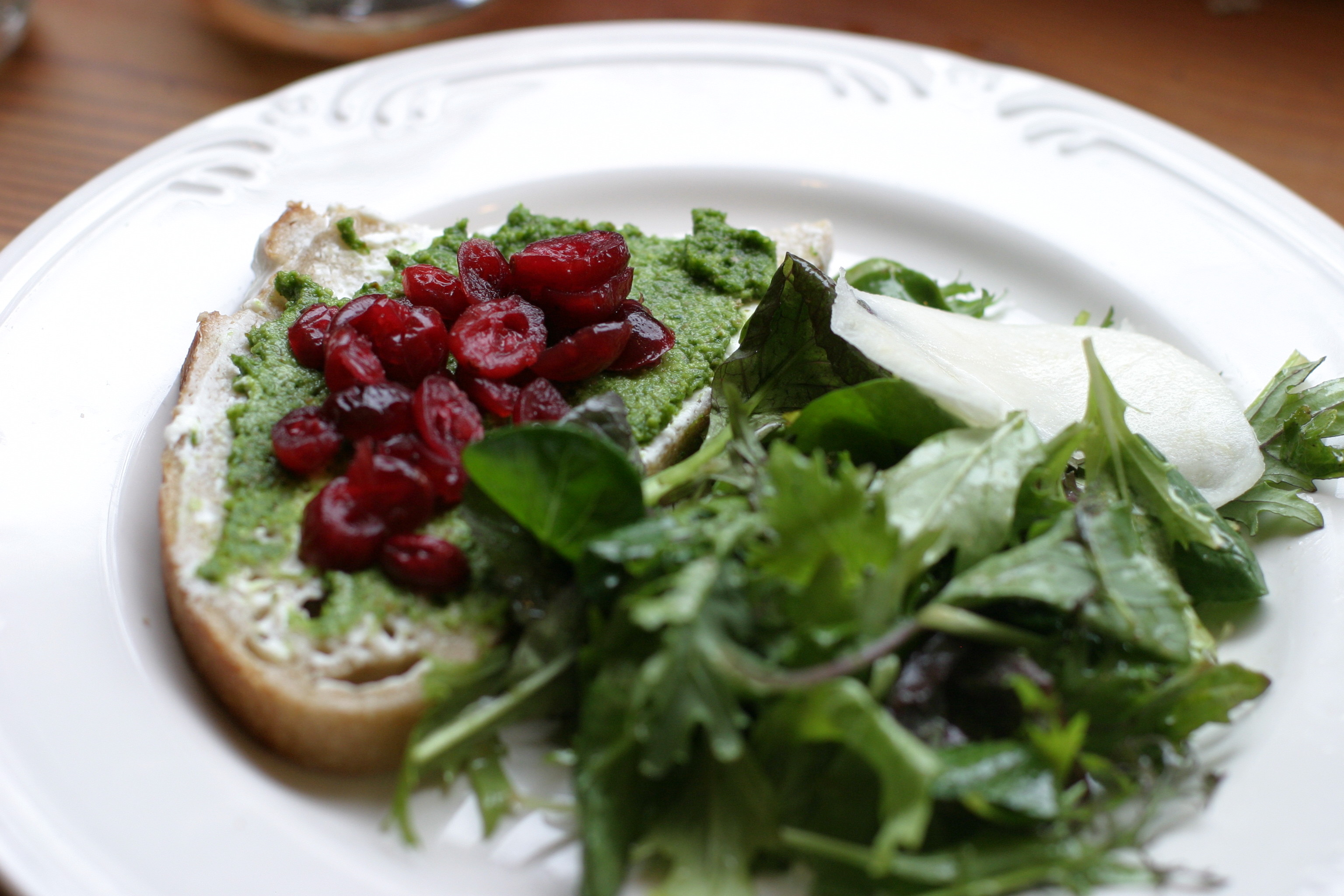
We’ve got a delicious new Summer Menu at the cafe, featuring some delights from our farm, like our new Arugula Tartine, Green Smoothies, Herbes de Provence Salad with herbed local chicken and more. Did you know that we are 100% Organic & GMO-Free? Yeah baby.
April 3rd, 2013
Wheatberry is proud to introduce two new dishes featuring locally-grown heirloom grains. Stop by today and try one, or both!
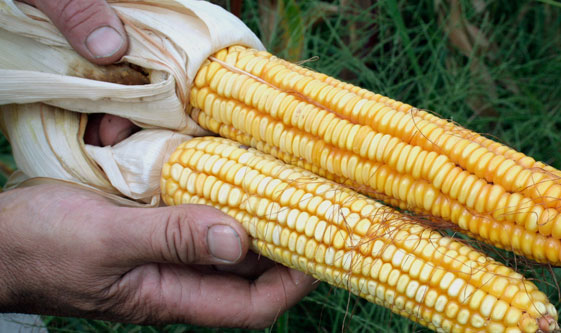
Cheesy Grits
Local Nothstine Dent Corn, ground fresh, cooked to perfection and topped with Neighborly Farm’s cheddar cheese.

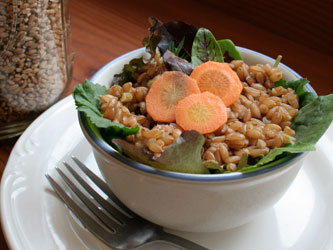
Garlic Scape Emmer
Locally grown, nutty, delicious Emmer combined with our house-made garlic scape pesto on a bed of organic greens and topped with pickled carrots. Garlic goodness.
November 29th, 2012

Winter 2012
Lunch Menu
Salads
Wheatberry Farm Plate – Heirloom Apples “Cox’s Orange Pippin” (Dummerston VT) local organic mixed salad greens, fresh VT chevre, whole Kalamata olives (with pits) Wheatberry Farm organic thyme, and our house grilled toast points.
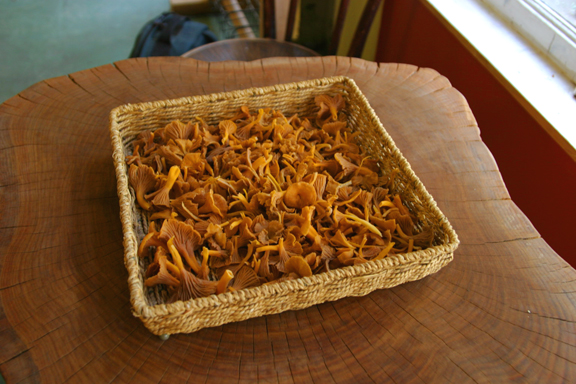
Wild Farm Plate – A Wheatberry Farm Plate, plus the special addition of 1 oz wild foraged Hen of the Woods mushrooms, sauteed with fresh Wheatberry Farm organic thyme (no olives on this plate).
The Little Farmer Plate – A healthy & delicious lunch for our little farmers. Slices of local Eco heirloom apples (Scott Farm VT), roasted organic beet slices, slices of mild Chase Hill Farmstead cheese, and our organic Country French toast.
Herbes de Provence Salad – Old Friends Farm organic salad greens, Chestnut Farms (MA) herbed chicken, grated carrots, and our house vinaigrette.
Garden Salad – Old Friends Farm organic salad greens, grated carrots, and our house vinaigrette.
Soups
Please note that to preserve quality, our soups are heated to order and take 10-15 mins. If you want to take your soup cold, we can get it more quickly.
Sweet Potato Coconut Bisque (vegetarian) – Delicious sweet potatoes from Red Fire Farm (Granby, MA), roasted and pureed with coconut milk and a hint of fresh ginger from Old Friends Farm (Amherst, MA). Served with a slice of our organic Country French bread.
Hearty 3 Bean Soup (vegetarian) – Organic black, kidney, and pinto beans (Cayuga Organics NY), simmered with organic tomato, carrots, onions, and celery. cup 4.65 bowl 7.50
Sandwiches
Served with Organic local mixed salad greens &
housemade pickled organic RFF celeriac
Quabbin – Chestnut Farm (Warwick, MA) pork shoulder cooked meltingly tender, Scott’s Farm Heirloom apples, and Vermont Chevre grilled on our Organic Country French bread. Tis’ the season!!!
Blue Sky Burger – Chase Hill Farm (Warwick, MA) 100% certified organic grass-fed quarter pound burger, house pickled onion, on our organic Country French bread. add: Chase Hill cheese
Chase Hill Grill – Organic Chase Hill Farm cheese (Warwick, MA) grilled to perfection on our organic Country French bread.
Wild Mushroom Grill – Our classic grilled Chase Hill cheese sandwich, with the addition of wild foraged Hen of the Woods mushrooms, sauteed with Wheatberry Farm organic thyme.
Bodacious Beet Tartine – Red Fire Farm (Granby, MA) roasted organic beets, house pickled onions, organic Chase Hill Farm cheese (Warwick, MA) on our organic Country French bread.
Cheshire Chicken – Chestnut Farms (Hardwick, MA) herbed chicken, organic Chase Hill Farm cheese (Warwick, MA), and pickled onions from our hoop house on our organic Country French bread. now with more meat!
Gluten Free & Paleo – New!
Naked Soup – Our soup du jour (see above), served without bread. cup bowl
Please note that to preserve quality, our soups are heated to order and take 10-15 mins. If you want to take your soup cold, we can get it more quickly.
Herbes de Provence Salad – Old Friends Farm organic salad greens, Chestnut Farms (MA) herbed chicken, grated carrots, and our house vinaigrette.
The Dino Burger – Live it up Paleo & gluten free with our popular 100% grass fed beef quarter pound burger with organic roasted Red Fire Farm Vegetables(Granby MA), and roasted beets. This burger does not come with bread.
add: Chase Hill cheese
September 26th, 2012
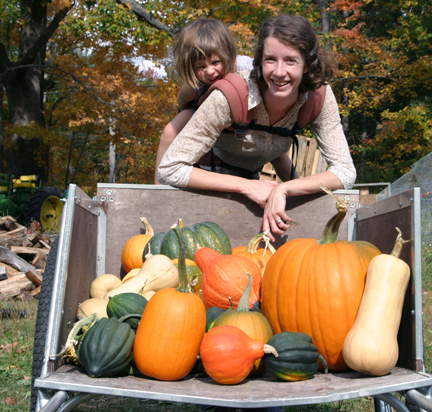
Have we mentioned that we love squash? In our Harvest Brownies, and in our Butternut Squash Soup with Sage Infused Brown Butter. What are customers saying?
“Divine”
“Reminds me of Chez Panisse”
“I took a bowl home for dinner last night, and tonight I’m taking home another!”
September 13th, 2012
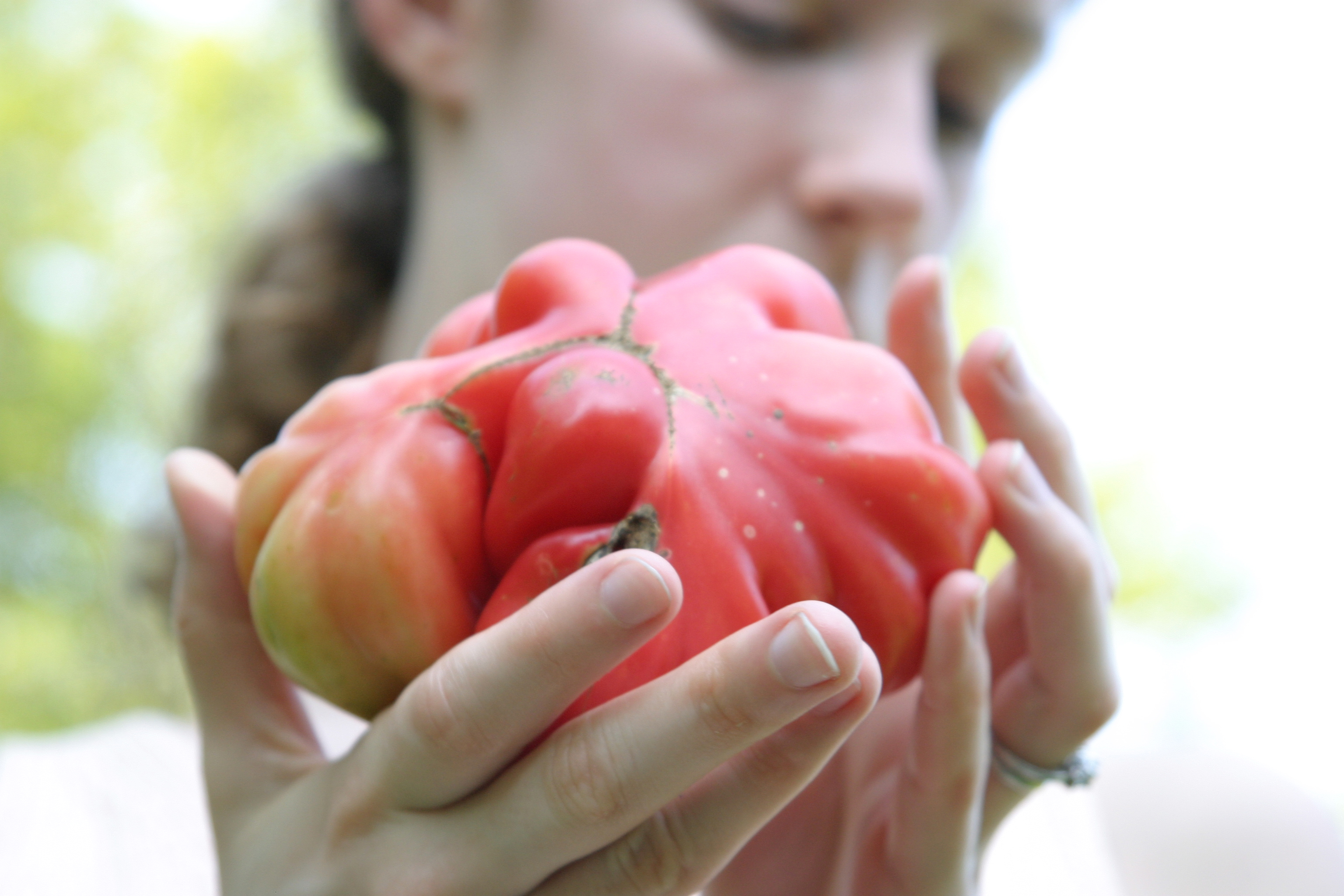
Here’s our current lunch menu – note the new Gluten Free & Paleo section, which is growing! Last week for the Heirloom Tomato & Cheese Sandwich.
Summer 2011
Lunch Menu
Gluten Free & Paleo – New!
Naked Soup – Our soup du jour, served without bread. cup 3.95 bowl 7.25
The Dino Burger – Live it up Paleo & gluten free with our popular 100% grass fed beef quarter pound burger on a bed of organic salad greens from Old Friends Farm (Amherst MA), with roasted beets, and housemade pickles. 11.45
add: Chase Hill cheese 1.65 heirloom tomato 1.30
Herbes de Provence Salad – Old Friends Farm organic salad greens, Chestnut Farms (MA) herbed chicken, house pickled onions, grated carrots, and our house vinaigrette. 12.00 now with more meat!
Garden Salad – Old Friends Farm organic mesclun greens, house pickled onions, grated carrots, and our house vinaigrette. 8.50
Salads
Wheatberry Farm Plate – Old Friends Farm organic mesclun greens, chevre (VT), our homemade organic garlic scape pesto (spicy), organic Greek Kalamata olives, fresh thyme, and our own toasted organic Country French bread. 11.55
note: these olives do contain pits
Herbes de Provence Salad – Red Fire Farm organic salad greens, Chestnut Farms (MA) herbed chicken, grated carrots, house pickled onions, and our house vinaigrette. 12.00 now with more meat!
Garden Salad – Old Friends Farm organic mesclun greens, grated carrots, house pickled onions, and our house vinaigrette. 8.50
Soups
served with a slice of our toasted organic Country French bread
Summer Harvest – A summer’s bounty of vegetables (beets, zucchini, onions, carrots) gently simmered with our house made chicken broth (made from Chestnut Farms chicken bones). Nourish your body and your taste buds! cup 4.95 bowl 8.25
Sandwiches
Served with Red Fire Farm organic mesclun greens &
housemade pickled organic vegetables
Roy’s Burger- Lolly Laggie Farm (Leyden, MA) 100% organic grass-fed quarter pound burger, Wheatberry Farm Greens, house pickled onion, on our organic Country French bread. 10.45 add: Chase Hill cheese 1.65 heirloom tomato 1.30
Chase Hill Grill – Organic Chase Hill Farm cheese (MA) grilled to perfection on our organic Country French bread. 8.25
Heirloom Tomato & Cheese – Our summer classic is back! Organic Wheatberry Farm heirloom tomatoes and organic Chase Hill Farm cheese (MA) grilled to perfection on our organic Country French bread. 10.45
Bodacious Beet Tartine – Red Fire Farm (MA) roasted organic beets, house pickled onions, organic Chase Hill Farm cheese (MA), on our organic Country French bread. 8.50
Scapegoat Tartine – Our homemade organic garlic scape pesto and chevre (VT), on our toasted organic Country French bread. 8.50 add caramelized onion 1.40
Cheshire Chicken – Chestnut Farms (MA) herbed chicken, organic Chase Hill Farm cheese (MA), organic salad greens, and pickled onions from our hoop house on our organic Country French bread. 12.85 now with more meat!
August 28th, 2012
Hello everyone. With the local grain harvests pouring in, and many new members joining us (yes, there are still shares available), it feels like a wonderful time to share more info about local grains & beans. Here’s the handout I put together for my NOFA class on Cooking with Local Whole Grains & Beans. We still plan to try and post the video, also, but for now, here’s a lot of info to get you started! Bon Appetit!
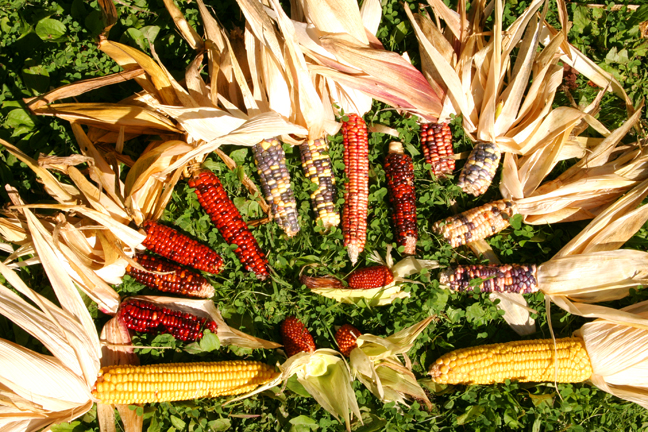
Cooking with Local Whole Grains & Beans
Why Local Grains & Beans?
Flavor!
Health – Nutritional Values, Freshness
Climate Change/Crop Failures
Fossil Fuels/Peak Oil
Storage
You don’t need fancy storage for grains & beans – they’re storage crops! Your kitchen cupboards will work just fine. We store our grains and beans at home in glass jars in the cupboard or on the countertops, because they’re beautiful and we like looking at them. We’ve never had problems with grain weevils, and haven’t had members with problems, either. Once grains are milled, they need to be refrigerated or frozen after a week.
Basic Pot of Beans
If you’ve only had canned beans before, you’re in for a treat!
Place beans in a jar or cooking pot and cover with twice as much water (for instance, for one cup of beans, add two cups of water). Soak overnight, or at least for two hours. (Just like with grains, soaking helps break down the phytic acid and makes the beans more digestible, plus they will cook more evenly and you will avoid any gritty/grainy textures.)
Place over med-high heat and bring up to a simmer (or turn your crockpot on low). Add one thumbnail-sized piece of kombu seaweed for extra goodness. Simmer until beans are quite tender all the way through (anywhere from 1 hour to 3 hours, depending on freshness). In the crockpot, I usually start them in the morning before I leave for work, and they’re done by dinner. Stirring makes them mushy, so resist temptation and don’t stir!
Make sure they stay covered by water and don’t dry out. Adding a ham hock or other bones is delicious and adds wonderful nutrition. If you don’t have any leftover bones, adding a spoonful of bacon fat works wonders, also, and gives them that silky texture. You can also cook them with veggies, such as onions, carrots, celery, garlic, bay leaf . . . Dried nettles make a tasty, nourishing addition also.
After the beans are thoroughly cooked, add salt to taste, and other seasonings like molasses or maple syrup. Adding these before the beans are done interferes with their cooking.
Working with Beans
Now you have basic cooked beans – now what? I start my week making a big pot of beans that I use throughout the week. Burritos, huevos rancheros, soups, baked beans, bean salad, and a simple bowlful of beans and broth are all available to you now.
When making a bean salad, be sure to warm up the beans before dressing them with vinagrette, so that the flavors can meld. Season well with vinegar and salt – cold foods need more seasoning.
Beans are a fantastic component for soups – chilis, stews, and simple soups all benefit from the addition of beans. Some ideas include white bean kale soup, chili (vegetarian or con carne), Nine Bean Soup, Minestrone, and Black Bean Soup.
Health benefits of Beans
Compared to grains, legumes supply about the same number of calories but usually two to four times as much proteins.
Diets rich in beans are being used to:
- improve diabetics’ blood glucose control
- reduce risk of many cancers
- regulate functions of the colon
- prevent and cure constipation
- prevent piles and other bowel problems
Also richly coloured dried beans offer a high degree of antioxidant protection. In fact, small red kidney beans rate even higher than blueberries.
A lesser-known benefit of beans, though, is their high levels of isoflavones, compounds that are similar in structure to estrogen produced by your body (which is why they are also called phytoestrogens).
These isoflavones may ease the symptoms of menopause, prevent some form of cancer, reduce your risk of heart disease and improve your bone and prostate health, among other benefits.
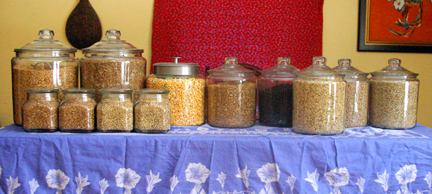
(Pioneer Valley Heritage Grain CSA share, 2009)
Why Eat Whole Grains?
Why eat true whole grains, not just baked goods made with whole grain flours? First, big difference between “whole grain” and “whole meal.” Even in whole meal flours, many of the enzymes and nutrients in the grain are lost as soon as they are milled and exposed to oxygen – for total nutritional value the grains must be consumed in whole form. Humans evolved eating whole grains, not flour, and traditionally those grains were soaked and pre-fermented before consumption to add their digestibility and nutritional qualities. It’s no wonder so many people are getting sick from eating so much white flour all the time!
A signification portion of the phytonutrients and phytochemicals are found in the bran and germ (the parts removed from store-bought flours, even whole wheat). Regular whole grain intake helps prevent disease, including heart disease, diabetes, obesity, stroke, and digestive system cancers (according to Tufts University, American Heart Association, and Harvard Public School of Health).
Around the world, humans have traditionally pre-soaked and fermented their grains before eating them. We know now that grains contain phytic acid in the bran, which can block absorption of nutrients in the human digestive system. A diet high in unfermented whole grains can lead to bone loss and mineral deficiencies (i.e. just adding bran to your diet will actually adversely affect intestinal health long-term). Soaking grains gives time for lactobacilli (same culture as found in yogurt) and other enzymes to break down and neutralize the phytic acid – overnight soaking in warm acidic water does the trick! (You can add a bit of sourdough culture, whey, or yogurt to your soaking water to introduce the healthy flora). This also produces numerous beneficial enzymes which increase the nutritional value. (Corn is in its own category, and for maximum nutrition should be soaked or cooked with lime – pickling lime or wood ash can be used, this releases the vitamin B3.)
Many people find older varieties of wheat easier to digest than modern industrial wheat (including heirloom wheats such as Red Fife or Turkey Red, and ancient kinds of wheat such as spelt, einkorn, or emmer). Many folks who feel sick eating white bread can eat whole wheat bread, especially whole wheat sourdough. And folks who have trouble eating sourdough breads are sometimes able to eat wheat as a whole grain.
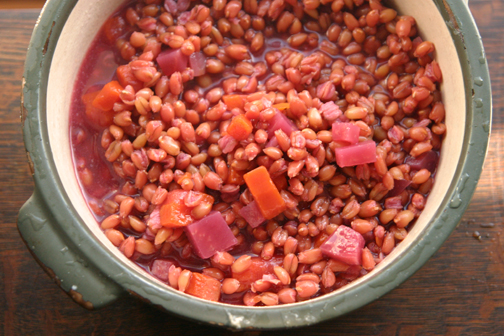
Basic Whole Grains
Most whole grains can be cooked up very simply using the following method, and then used in a variety of ways – as an addition to salads, soups, as a side dish, dressed with pasta sauce, or baked in a gratin. All of these grains, once cooked, can also be stored in the freezer, ready to use! Lorna Sass calls this the “Grain Bank.” Adding a small piece of kelp is a great way to add minerals, and adding bones or replacing the water with stock adds flavor and great nutrients!
Wheat, Spelt, or Kamut
1 cup wheat berries
2 ½ cups water
pinch of salt
2 qt pot
This will yield 2- 2 ½ cups cooked berries. Soak your grains overnight.
Bring the water and salt to a rolling boil. Add the berries, cover, and reduce heat. Simmer until tender (about 20-40 minutes), then drain them thoroughly. You can also finish cooking them in the oven – bring to a boil, cover, and place in a preheated 325 degree F oven, check for tenderness after 20 minutes.
Barley
1 cup barley
3 cups water
pinch salt
2 qt pot
This will yield 2 cups cooked barley. Soak your grains overnight.
Bring the water and salt to a rolling boil. Turn off the heat to avoid boil-overs. Add the barley, and return to a boil over medium heat. Reduce heat, cover, and simmer 40-55 minutes. To test for doneness – the barley will be tender but still chewy, and one color throughout when cut in half lengthwise. Drain off any unabsorbed water, and return barley to the pot. Cover, and allow to rest off the heat for 5-10 minutes.
You can also bake this in the oven, After adding the barley to the boiling water, place it in a 350 degrees F oven, in a covered pot.
Oats (note – these are whole oat groats, not rolled oats)
1 cup oat groats
10 cups water (2 1/2 qts)
3/4 tsp salt
4 qt pot
This will yield 3 cups cooked oats. Soak your grains overnight.
Bring the water and salt to a rolling boil. Add the oats and turn the heat down slightly to prevent boiling over. Boil uncovered until the oats are tender, 25-35 minutes. To test for doneness – cut an oat groat in half, it will be one color throughout. Drain off any unabsorbed water using a strainer. If you want a creamy breakfast porridge, you’re done. If you would like plump, chewy grains that don’t stick together, set the strainer holding the grains over a pot holding 2 cups fresh boiling water. Set a towel on top of the oats, and the pot lid over the whole thing. Boil for seven minutes. Use immediately or cool to room temperature and store in the fridge or freezer.
Rye
1 cup rye berries
2 1/2 cups water
2 qt pot
This will yield 2 1/2 cups cooked rye berries. Soak the rye berries overnight.
Bring water and grains to a boil. Cover, reduce heat, and simmer until tender, 25-40 minutes. Add salt to taste at the end of cooking. Once a few grains have burst open, check for doneness. Cut a rye berry in half; it should be one color throughout. They should be juicy and the center should be soft. Remove from the heat, and let soak for 10-15 minutes (this will plump the berries). Drain off any excess water. If you want to reduce the surface moisture, you can return the berries to the hot pan and let them sit, covered, off the heat for 5-10 minutes.
To bake in the oven: once the water and grains have come to a boil, cover and set the pot in a 350 F oven.
Emmer (Farro)
1 cup emmer
1 ¾ cup water
pinch salt
2 qt pot
This will yield 2 1/2 cups cooked rye berries. Soak the emmer overnight.
Bring water and grains to a boil. Simmer over low heat until tender, about 20 minutes. To finish in the oven, bring to a boil, then cover and place in a preheated 350 degree F oven and check after 20 minutes.
Emmer is very delicious eaten with butter and a little grated parmesan on top – simple and delicious!
How Do I Really Add These To Meals?
Cooking whole grains and beans is simply a lifestyle change, a new set of habits that may take a little while to get going! Make a meal plan (See Fields & Fire for more info about this) that includes beans and whole grains, and use it! Get in the groove of checking your meal plan for the next day, and pre-soaking your beans or grains. Get rid of pasta in your cupboard, and simply substitute whole grains in your favorite recipes that call for pasta or rice!
Resources
Whole Grains Every Day, Every Way by Lorna Sass
Ancient Grains for Modern Meals by Maria Speck
Feeding the Whole Family by Cynthia Lair
Cooking from Quilt Country by Marcia Adams
Heirloom Beans by Steve Sando
Nourishing Traditions by Sally Fallon
If you aren’t lucky enough to have a local grain CSA, you can get some great dried beans from Seed Savers Exchange, Rancho Gordo, or try searching on LocalHarvest.
|
This site has been shut down.
The domain is for sale.
We apologize.
|